
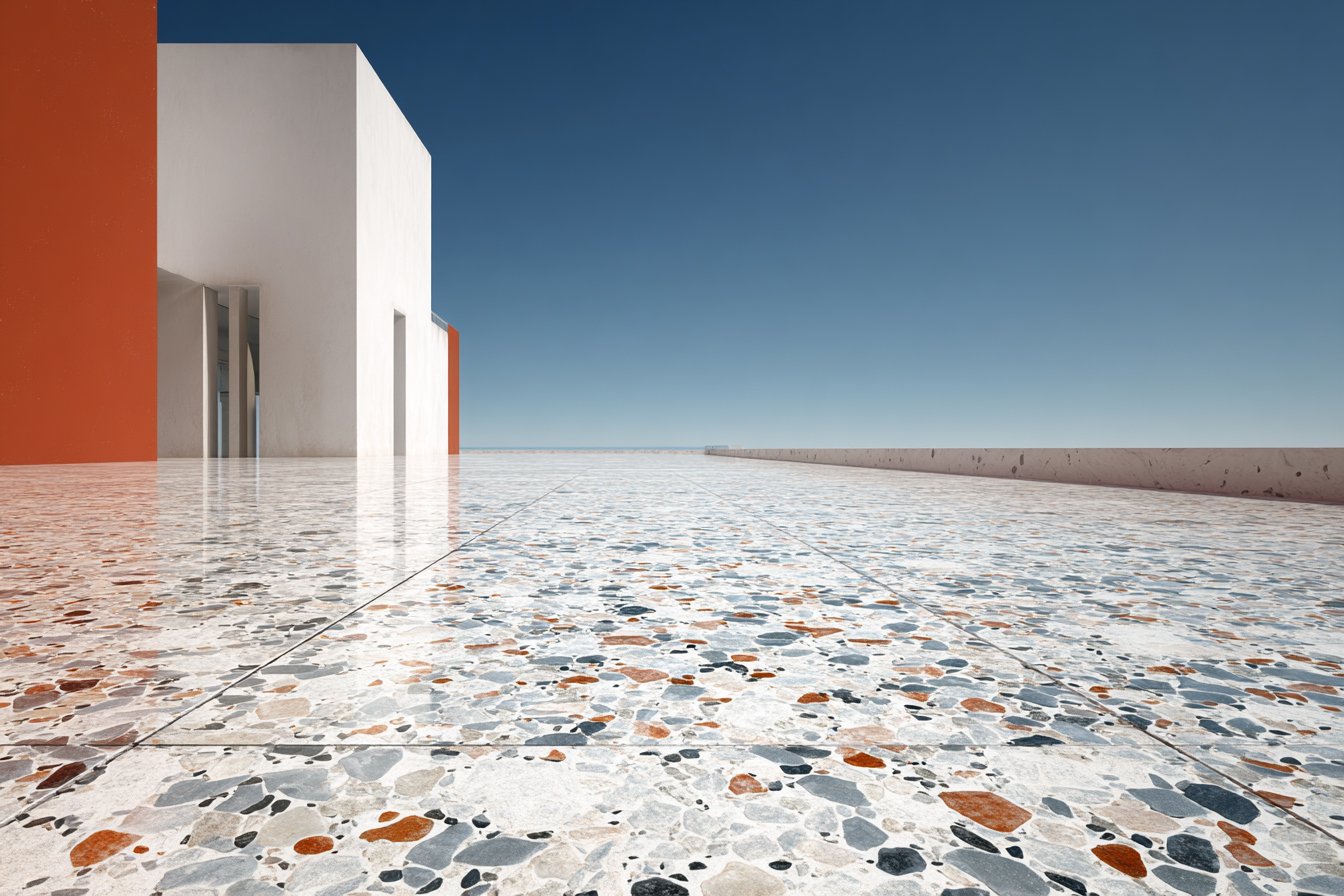
One of the hardest parts of early-stage design isn't the design itself. It's getting a client to understand what you're building before it exists.
Most architects rely on sketches, mood boards, or basic 3D models in the early phases. These tools work, but they ask clients to do a lot of imaginative heavy lifting. The result is slow decision-making, misaligned expectations, and revisions that could have been avoided.
The problem with early-stage presentations
Clients aren't trained to read architectural drawings. A floor plan that's immediately legible to you reads as abstract geometry to most developers, restaurateurs, or retail clients. They nod along, say it looks good, and then react with surprise when the space takes shape.
This isn't a client failure. It's a communication gap.
What actually works
Photorealistic conceptual images close that gap. When a client can see a space that looks real, even at the concept stage, they can give real feedback. They can say yes or no to a direction rather than discovering their preference six months into the project.
This is what AI architectural visualization makes possible at the early stages. It's no longer cost-prohibitive or time-intensive to produce high-quality concept images before schematic design is complete.
A practical approach for architects, developers, and brokers
Start the conversation with images, not drawings. Use the first presentation to establish visual direction, not technical detail. Give your audience two or three distinct concept directions shown as photorealistic images and let them react.
This works across every project type. An architect presenting to a developer who needs to see the vision before committing budget. A developer pitching investors or city planners on a project that exists only on paper. A broker showing a raw commercial space to a prospective tenant who needs to see what it could become. A private client deciding whether to commit to a renovation before hiring a contractor. A restaurateur pitching investors on a space that doesn't exist yet.
In every case the challenge is the same: the person making the decision can't see what you see. Photorealistic concept images fix that.
How MoreLipstick works
We work with architects, developers, brokers, restaurateurs, retailers, and private clients in New York City who need to make a space visible before it exists. We develop the concept from scratch alongside your intent and deliver photorealistic images you can put in front of anyone at the first meeting.
We're not a rendering service that executes your model. We're a design consultancy that develops the concept with you, using AI as part of the creative process.
If you're working on a project in NYC and want to explore what this looks like, get in touch by filling the form below.
What to Know Before Hiring an Architectural Design Service in NYC
If you're a developer, broker, restaurateur, or private client thinking about a space in New York City, you've probably asked some version of these questions: How much does architectural design cost? What software do firms actually use? How do I find the right team for my project? And what does the process even look like before the real work begins?
Here's an honest answer to all of them.
How much does architectural concept design cost?
Traditional architectural services are expensive and front-loaded. A full architectural firm charges anywhere from $150 to $400 per hour, and early-stage concept development can run tens of thousands of dollars before a single permit is filed. And that's before you factor in the cost of revisions, which multiply fast when a client sees the space for the first time only after significant design work has already been done.
This is where most projects bleed money without anyone realizing it. The client didn't understand the drawings. The architect revised. The client still wasn't sure. More revisions. By the time everyone is aligned, weeks and significant fees have been spent on a problem that could have been solved in the first meeting with the right visual tools.
AI conceptual visualization changes this equation. MoreLipstick develops photorealistic concept images at the earliest stage of a project, before you've committed to a full architectural team or a design direction. You spend a fraction of what a traditional firm charges, align everyone on a direction early, and walk into the full design phase with a clear brief. That clarity saves money at every stage that follows.
What software do architectural designers use today?
Traditional firms use Revit, AutoCAD, SketchUp, and Rhino for technical drawings and 3D modeling. These are precision tools built for construction documentation. They're essential once a project is in full design, but they're slow and expensive to use for early-stage concept exploration.
AI visualization tools work differently. They're not replacements for technical software. They're communication tools built for the decision-making phase. The goal isn't a construction document. It's an image that makes a client say yes or no to a direction with confidence, fast. For that purpose, AI produces results faster and at lower cost than any traditional workflow, which means you get to alignment sooner and spend less getting there.
How do you find the right architectural design service for your project?
The right answer depends on what phase you're in. If you're at the concept stage, meaning you have an idea but haven't committed to a direction or hired a full team yet, you need someone who specializes in early-stage visualization, not a firm that charges full architectural fees to tell you what your space might look like.
Ask any firm or consultancy you're considering: do you develop concepts from scratch, or do you execute work that's already been designed? The answer matters. A rendering service executes your model. A design consultancy develops the concept with you. The first assumes you already know what you want. The second helps you figure it out before the expensive work begins.
MoreLipstick is the second type. We develop concepts from scratch alongside your intent, which means you're not paying full architectural fees to explore directions that might not work.
What does the early-stage design process actually look like?
Most people don't realize how much of the architectural process happens before any real design work begins. The early stage is about alignment: getting everyone in the room to agree on a direction before budget, permits, and contractors enter the picture.
This is where most projects lose time and money. A developer and their architect have one vision. The investor has another. The tenant or end user has a third. Without a visual reference everyone can react to, these conversations go in circles. Every circle costs time. Every revision costs money.
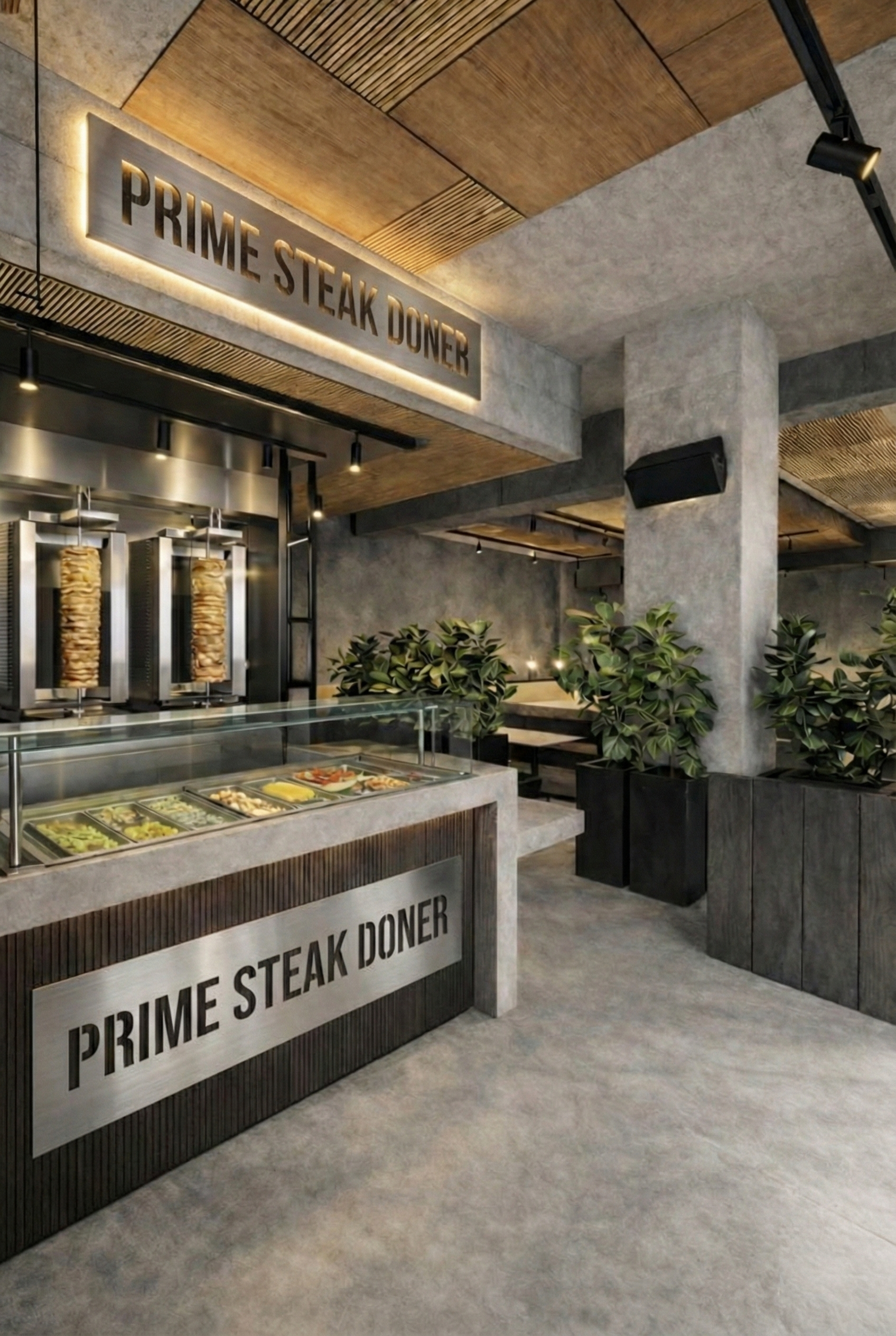
The most effective thing you can do at this stage is put photorealistic concept images on the table early. Not sketches, not mood boards, not wireframes. Images that look real enough that a non-designer can respond to them honestly. A developer can show them to an investor. A broker can show them to a prospective tenant. A private client can use them to decide whether to commit to a renovation before hiring a contractor. A restaurateur can pitch a space to backers before signing a lease.
In each case the result is the same: faster decisions, fewer revision cycles, and a design process that starts with everyone already aligned. That alignment is worth real money at every stage that follows.
How MoreLipstick fits into this
We work with architects, developers, brokers, restaurateurs, retailers, and private clients in New York City who need to make a space visible before it exists. We develop the concept from scratch based on your intent and deliver photorealistic, fully customized images you can use in the first client meeting, investor pitch, or leasing conversation.
The ROI is straightforward. You spend less upfront to get aligned, which means you spend less on revisions, less on misaligned design work, and less time getting a project off the ground. For developers and investors especially, that time compression has direct financial value.
We're not a rendering service. We're a design consultancy that uses AI as part of the creative process, not as a shortcut.
If you're working on a project in NYC and want to explore what this looks like, get in touch by filling the form below.