

AI INTERIOR DESIGN SERVICE IN NYC , SEE YOUR SPACE BEFORE YOU COMMIT TO IT. WE PROVIDE PHOTOREALISTIC AI-POWERED VISUALIZATIONS BUILT FOR NYC'S HOSPITALITY, RETAIL, AND REAL ESTATE.
The traditional design process is outdated. MoreLipstick is changing that. We’re NYC’s first generative AI design agency, but we're run by real humans. We’re architects who shake your hand, grab a coffee, and champion your vision personally. By pairing our expertise with advanced AI, we generate photorealistic interior views instantly. We disrupt the weeks of waiting so you can skip straight to the beautiful finish.
AI Conceptual Design in the Project Design Process
1. Pre-Design (or Programming)
Purpose & function
Understand client needs, goals, budget, and site conditions
Conduct site analysis, code, and zoning research
Perform client interviews and assess project feasibility
Determine space requirements for the project
AI integration
Assists with early visual exploration using client interviews and site mood
Helps form initial visual concepts to guide design direction
2. AI Conceptual Design
Purpose & function
Develop big-picture spatial ideas and creative narrative
Establish mood and tone direction aligned with client vision
Express brand identity through design elements like colors and materials
AI integration
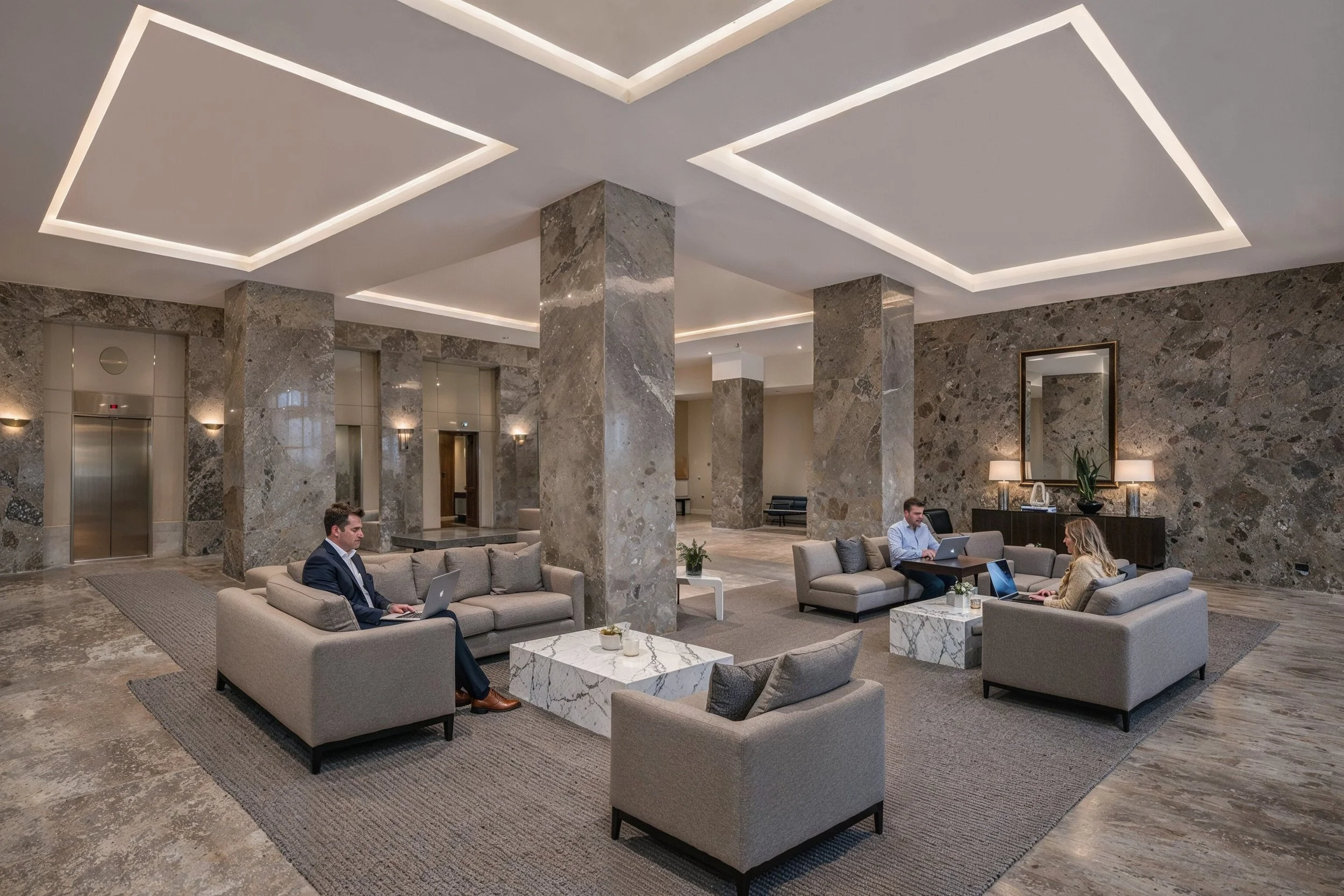
Translates preliminary client vision into compelling, photorealistic images
Provides strong design direction and speeds up creative exploration
Captures atmosphere and interprets style quickly for client review
3. Schematic Design (SD)
Purpose & function
Develop initial design concepts, sketches, diagrams, and spatial layouts
Produce basic floor plans, elevations, and material ideas
Provide rough cost estimates and obtain client approval on design direction
AI integration
Supports early validation of spatial arrangements and aesthetics
Enhances ability to iterate and refine initial concepts efficiently
4. Design Development (DD)
Purpose & function
Refine design with detailed plans, sections, and elevations
Select materials, fixtures, and building systems (HVAC, plumbing, etc.)
Coordinate with consultants such as structural and MEP engineers
Update cost estimates and create 3D renderings from approved plans
Deliver a well-resolved design ready for construction documentation
5. Construction Documents (CDs)
Purpose & function
Prepare detailed drawings and specifications required for permitting and construction
Integrate mechanical, electrical, and plumbing (MEP) details
Produce notes, schedules, and technical specifications for contractors
Submit documents for permit approval
6. Bidding and Negotiation
Purpose & function
Assist client in selecting contractors and finalizing agreements
Issue bid packages and respond to contractor inquiries
Review bids or proposals and support contract negotiations
7. Construction Administration (CA)
Purpose & function
Ensure construction aligns with design intent and specifications
Conduct site visits and inspections to monitor progress
Review shop drawings and submittals, respond to RFIs
Approve payments and manage change orders as necessary
Final Positioning of AI in Design Process
Purpose & function
Accelerates creative exploration and early visualizations
Increases alignment between design team and client, boosting excitement
Enhances efficiency without disrupting existing workflows
Provides compelling visuals from the first meeting to engage clients fully
1. Pre-Design (or Programming)
Purpose & function
Understand client needs, goals, budget, and site conditions
Conduct site analysis, code, and zoning research
Perform client interviews and assess project feasibility
Determine space requirements for the project
AI integration
Assists with early visual exploration using client interviews and site mood
Helps form initial visual concepts to guide design direction
2. AI Conceptual Design
Purpose & function
Develop big-picture spatial ideas and creative narrative
Establish mood and tone direction aligned with client vision
Express brand identity through design elements like colors and materials
AI integration
Translates preliminary client vision into compelling, photorealistic images
Provides strong design direction and speeds up creative exploration
Captures atmosphere and interprets style quickly for client review
3. Schematic Design (SD)
Purpose & function
Develop initial design concepts, sketches, diagrams, and spatial layouts
Produce basic floor plans, elevations, and material ideas
Provide rough cost estimates and obtain client approval on design direction
AI integration
Supports early validation of spatial arrangements and aesthetics
Enhances ability to iterate and refine initial concepts efficiently
4. Design Development (DD)
Purpose & function
Refine design with detailed plans, sections, and elevations
Select materials, fixtures, and building systems (HVAC, plumbing, etc.)
Coordinate with consultants such as structural and MEP engineers
Update cost estimates and create 3D renderings from approved plans
Deliver a well-resolved design ready for construction documentation
5. Construction Documents (CDs)
Purpose & function
Prepare detailed drawings and specifications required for permitting and construction
Integrate mechanical, electrical, and plumbing (MEP) details
Produce notes, schedules, and technical specifications for contractors
Submit documents for permit approval
6. Bidding and Negotiation
Purpose & function
Assist client in selecting contractors and finalizing agreements
Issue bid packages and respond to contractor inquiries
Review bids or proposals and support contract negotiations
7. Construction Administration (CA)
Purpose & function
Ensure construction aligns with design intent and specifications
Conduct site visits and inspections to monitor progress
Review shop drawings and submittals, respond to RFIs
Approve payments and manage change orders as necessary
Final Positioning of AI in Design Process
Purpose & function
Accelerates creative exploration and early visualizations
Increases alignment between design team and client, boosting excitement
Enhances efficiency without disrupting existing workflows
Provides compelling visuals from the first meeting to engage clients fully
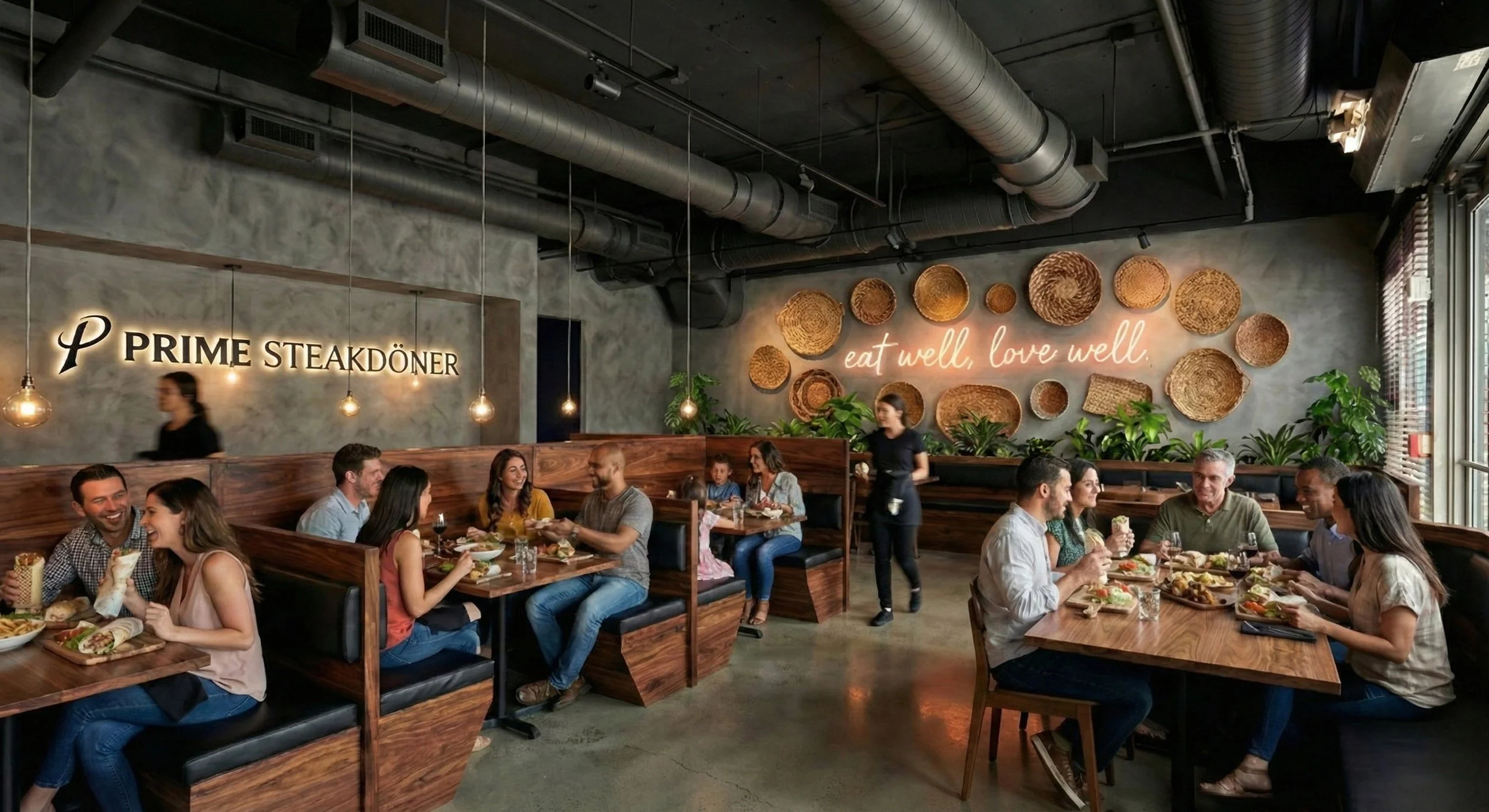
✦ Close Rate
0%
Higher likelihood of signing when AI visuals shown at first meeting
vs. sketches or verbal descriptions only

⚡ Decision Speed
0x
Faster client sign-off when concept visuals are photorealistic
Fewer hesitation cycles — client sees immediately

↓ Revisions
0%
Fewer revision rounds when vision is locked early with AI concepts
Misalignment caught before costly DD begins
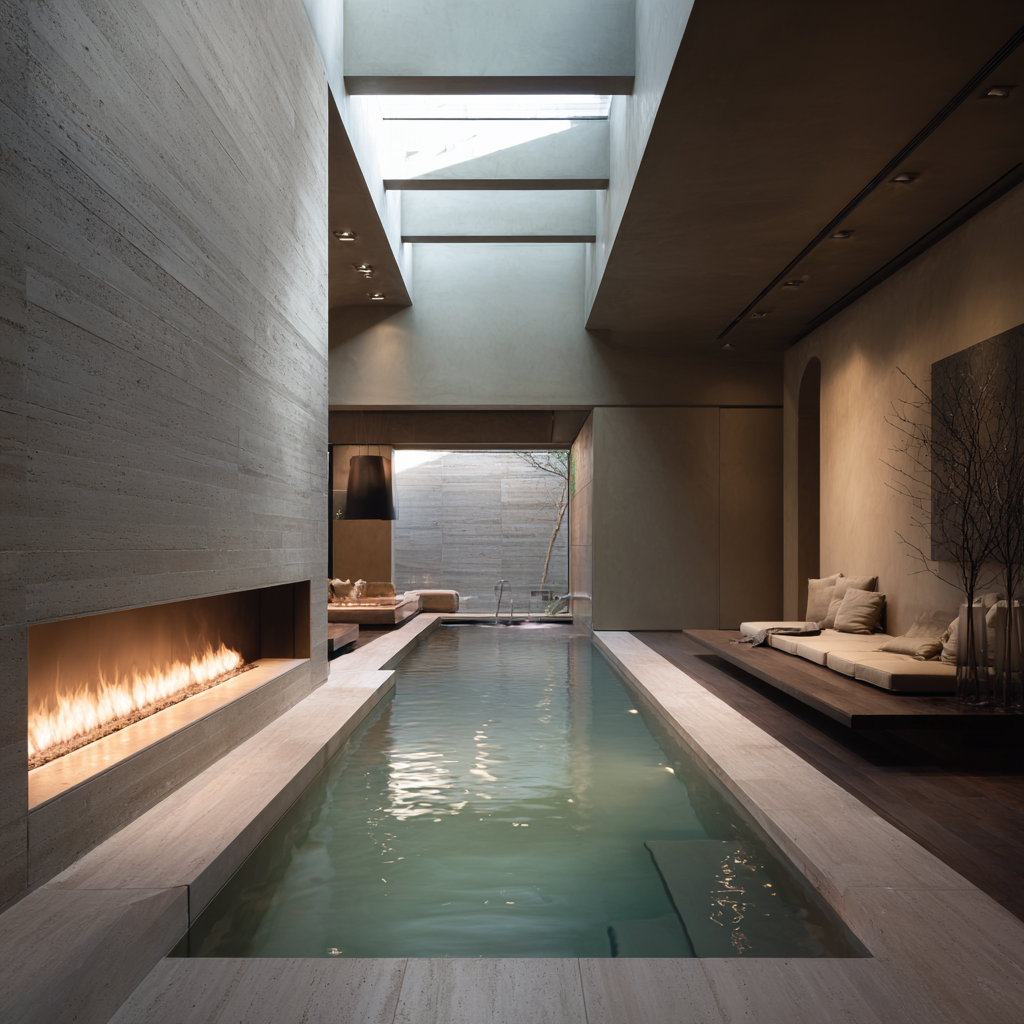
★ Confidence
0%
Of clients felt more confident signing after seeing AI visuals
Strong first impression drives trust and closes faster
BLOG




Get In Touch
If you're interested in working with us, complete the form with a few details about your project. We'll review your message and get back to you shortly.